Purchasing pallet racking is a significant investment that directly impacts your warehouse safety, operational efficiency, and long-term budget. However, many buyers make costly mistakes—often focusing too much on the initial price while overlooking critical factors such as compatibility, structural integrity, and future expansion.
From choosing the wrong rack type to underestimating load requirements, many warehouse storage problems begin during the purchasing stage. A pallet racking system should not only meet today’s storage needs but also support future growth, safety requirements, and daily operational efficiency.
Here are the most common mistakes to avoid when buying pallet racking.
Mistake #1: Focusing Only on Upfront Cost Instead of Long-Term Value
One of the biggest mistakes is choosing a racking system based solely on the lowest purchase price. While used racking or low-cost new racking may appear economical, they often result in higher costs over the long run.
Hidden Costs of Used Racking
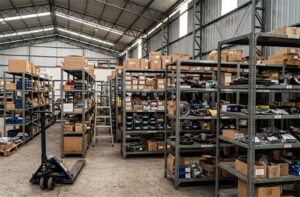
Used pallet racking can appear to be an attractive option because of its lower initial investment. However, buyers should carefully evaluate the actual condition, compatibility, and availability of replacement components before making a decision.
Used racks may contain hidden structural damage caused by years of operation, including bent uprights, damaged beams, or corrosion. In some cases, the original manufacturer may no longer support the system, making replacement parts difficult to source.
Once transportation, professional inspection, recertification, repairs, and potential modifications are considered, the original cost advantage can quickly decrease.
The Risks of Cheap New Racking
Even brand-new racking can become an expensive mistake if it is manufactured from low-quality steel or lacks proper engineering support.
Low-quality systems may have reduced load capacities, inconsistent manufacturing standards, and limited long-term durability. These issues can lead to increased maintenance requirements and potential safety risks during daily warehouse operations.
Mistake #2: Ignoring Compatibility and Load Capacity
Pallet racking is not a one-size-fits-all solution. Failing to match the system to your operational requirements is one of the most common purchasing mistakes and can create serious safety concerns.
Overloading the System
Exceeding the rated load capacity is one of the leading causes of rack damage and warehouse safety incidents.
Always verify the maximum load capacity for each beam level and rack bay, and ensure warehouse operators understand these limits. A simple best practice is storing heavier pallets on lower beam levels whenever possible to improve stability.
Mixing Incompatible Components
When purchasing used racking or expanding an existing system, never assume that components from different manufacturers are interchangeable.
Different manufacturers use different upright designs, hole patterns, and beam connection systems. Common designs include teardrop, round-hole, and rectangular-hole configurations. Even if two rack systems look similar, their structural connections may not provide the same level of safety when combined.
Mixing incompatible components can reduce structural stability and increase the risk of rack failure. When in doubt, purchasing a complete system from a reputable pallet racking manufacturer ensures that every component is designed and tested to work together safely.
Choosing the Wrong Pallets
Your pallet dimensions must match your racking design. Pallets that are too large, too small, or incorrectly positioned can result in insufficient support, product damage, and unsafe storage conditions.
For advanced systems such as push-back racking, pallet weight consistency is also important because uneven loads can affect cart movement and retrieval performance. The acceptable weight difference depends on the specific rack design and operating conditions.
Pallet Racking Buying Checklist Before Ordering
Before purchasing a pallet racking system, it is important to review the following factors with your supplier or warehouse engineer. A proper evaluation before production can prevent costly modifications and safety issues after installation.
| Checklist Item | Why It Matters |
|---|---|
| Pallet dimensions and weight | Ensures the rack design provides proper support and prevents unsafe storage conditions. |
| Beam load capacity | Confirms that the system can safely handle your actual pallet loads during daily operation. |
| Warehouse layout and aisle space | Helps optimize forklift movement, storage density, and overall warehouse efficiency. |
| Rack compatibility | Avoids safety risks caused by mixing incompatible components from different manufacturers. |
| Future expansion requirements | Allows your warehouse storage system to grow with your business instead of requiring complete replacement. |
| Installation and inspection support | Ensures the completed system is installed correctly and operates safely according to project requirements. |
Mistake #3: Neglecting Warehouse Layout and Future Growth
A pallet racking system is more than just storage equipment—it directly affects warehouse productivity, material handling efficiency, and long-term operating costs.
Choosing the Wrong Pallet Rack Type
Another common purchasing mistake is selecting a pallet racking system without considering storage density, inventory turnover, and handling requirements.
Different warehouse operations require different rack designs. Choosing the wrong system may result in wasted space, inefficient workflows, or expensive modifications in the future.
| Warehouse Requirement | Recommended Racking Solution |
|---|---|
| High SKU variety and direct pallet access | Selective Pallet Racking |
| Maximum storage density with fewer aisles | Drive-In Pallet Racking |
| FIFO inventory rotation requirements | Pallet Flow Racking |
| High-density storage with semi-automation | Pallet Shuttle Racking |
| Limited floor space and high storage height | VNA Pallet Racking |
Ignoring Warehouse Workflow
Poor warehouse layouts create bottlenecks, increase forklift travel distance, and reduce overall operational efficiency.
Before selecting a pallet racking system, carefully evaluate your inventory rotation method (FIFO or LIFO), aisle widths, forklift turning radius, picking requirements, and daily material flow.
A well-designed warehouse should balance storage density with accessibility. The highest storage capacity is not always the most efficient solution if it slows down daily operations.
Failing to Plan for Future Expansion
Many companies purchase racking based only on their current inventory needs, only to replace or modify the entire system when their business grows.
Choosing a modular pallet racking system allows easier expansion by adding additional uprights, beams, or storage levels when future requirements increase.
For example, pallet racking systems using widely adopted teardrop designs are popular because replacement parts and expansion components are easier to source in many markets.
Mistake #4: Skipping Professional Installation and Inspection
Pallet racking is an engineered structural system. Proper installation, regular inspection, and correct maintenance are essential for ensuring long-term safety and performance.
DIY Installation Can Be Dangerous
Proper installation is critical for the stability of a pallet racking system. Even high-quality racks can become unsafe if they are installed incorrectly.
Uneven warehouse floors, improperly anchored uprights, incorrect beam installation, or insufficient bracing can compromise the stability of the entire structure.
Professional installers ensure the system is properly aligned, securely anchored, and installed according to the project requirements and applicable safety practices.
Skipping Post-Installation and Routine Inspections
Whether your pallet racking system is new or used, a completed installation should be inspected by qualified professionals to confirm that the installed configuration matches the designed load capacity.
Routine inspections are equally important. They help identify damage caused by forklift impacts, overloaded beams, damaged uprights, or other operational issues before small problems develop into serious safety risks.
Lessons From Real Warehouse Projects
Based on experience working with manufacturing facilities, logistics centers, and distribution warehouses, many pallet racking problems are not caused by the rack structure itself, but by incorrect decisions made during the purchasing and planning stages.
Common issues identified during warehouse evaluations include:
- Incorrect pallet dimensions provided during the design stage
- Storage loads exceeding the original rack specifications
- Insufficient aisle space for forklift operation
- Failure to consider future warehouse expansion requirements
- Selecting a rack system based only on price rather than total value
A professional pallet racking supplier should evaluate your actual warehouse conditions before production, including pallet size, load requirements, storage method, and operating environment.
This approach helps ensure the final storage solution is not only suitable for current operations but also prepared for future business growth.
Why Working With an Experienced Pallet Racking Manufacturer Matters
Choosing a pallet racking supplier is not only about purchasing steel components. A reliable manufacturer should provide engineering support, accurate load calculations, production quality control, and after-sales assistance throughout the project.
An experienced supplier can help customers avoid common purchasing mistakes by evaluating:
- Warehouse dimensions and available storage space
- Pallet specifications and loading requirements
- Forklift type and operating conditions
- Required storage density and accessibility
- Future expansion plans
Instead of providing a standard rack solution without considering actual requirements, a professional supplier focuses on designing a storage system that balances safety, efficiency, and long-term value.
Final Thoughts
A smart pallet racking investment is about much more than finding the lowest purchase price.
The right decision requires balancing cost with quality, ensuring every component is fully compatible, designing the system around your operational needs, and prioritizing safety through professional installation and regular inspections.
A properly planned pallet racking system can help protect employees, improve warehouse efficiency, maximize available storage space, and reduce unnecessary replacement costs over the long term.
Before placing an order, take time to evaluate your pallet specifications, storage requirements, warehouse workflow, and future expansion plans. Choosing the right solution at the beginning can prevent expensive modifications and operational problems later.
Need Help Choosing the Right Pallet Racking System?
Every warehouse has different storage requirements. Our team can help evaluate your project based on:
- Pallet size and load capacity requirements
- Warehouse layout and available space
- Forklift operation and aisle requirements
- Storage density and accessibility goals
- Future expansion plans
With professional engineering support and manufacturing experience, we can help you select a safe, efficient, and cost-effective pallet racking solution for your warehouse.