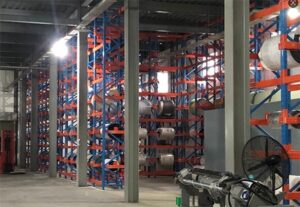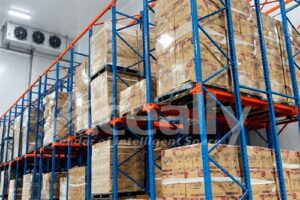
With proper load management, impact protection, regular inspections, and environmental control, a high-quality pallet racking system can provide 15–20 years of reliable service under suitable operating conditions.
For warehouses, distribution centers, and manufacturing facilities, pallet racking systems are long-term investments that support daily storage operations. However, many buyers focus mainly on the initial purchase cost and overlook the maintenance practices that determine how long their rack systems remain safe and functional.
As a pallet racking manufacturer serving customers across Europe, Southeast Asia, and the Middle East, Aceally has seen that most premature rack damage is not caused by steel quality issues. In many cases, problems come from daily operational factors, including forklift impacts, overloading, corrosion, and unauthorized modifications.
The good news is that most of these issues can be prevented with simple maintenance procedures.
Following the right maintenance practices can help reduce repair costs, improve warehouse safety, and maximize the service life of your storage equipment.
Here are five practical warehouse rack maintenance tips for global buyers and warehouse operators.
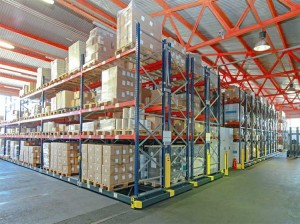
1.Never Exceed the Rated Load Capacity
Every pallet racking system is designed with specific load limits based on the rack structure, beam size, upright configuration, and intended application. Exceeding these limits can cause beam deformation, upright damage, and potential safety risks.
One common mistake in warehouses is gradually increasing pallet weight without checking whether the existing rack configuration can support the additional load. A system that was designed for a certain capacity may become overloaded when storage requirements change.
Best practices:
- Install clear load capacity labels on every beam level.
- Keep heavier pallets on lower levels and lighter goods on upper levels.
- Make sure pallets are properly positioned on beams.
- Avoid pallet overhang that affects load distribution.
- Review rack capacity when changing storage requirements.
For warehouses handling industrial components, machinery parts, or frozen products, we recommend recording actual pallet weights during regular inspections. This helps confirm that the rack system continues operating within its original design capacity.
2.Install Proper Anti-Collision Protection
Forklift impact is one of the most common causes of warehouse rack damage, especially on aisle-side uprights and rack end frames.
Even a small collision may weaken the structural integrity of a rack component. Damage that looks minor at first can become a serious safety concern if it is not repaired or replaced in time.
For this reason, many professional warehouses install rack protection accessories in high-traffic areas.
Common pallet rack protection solutions include:
- Upright protectors
- Rack end barriers
- Guard rails
- Steel bollards
- Corner protection barriers
These accessories are relatively low-cost compared with replacing damaged rack components or dealing with warehouse downtime.
For 3PL warehouses and distribution centers with frequent forklift movement, installing protection systems at aisle entrances, loading areas, and corners can significantly reduce accidental damage.
3.Control Humidity and Prevent Corrosion
Steel pallet racking systems are designed for long-term use, but environmental conditions can affect their service life. Constant moisture, condensation, or corrosive environments may gradually damage protective coatings and lead to rust.
Even high-quality powder-coated heavy-duty racking requires proper environmental control when used in challenging conditions.
Warehouses with higher corrosion risks include:
- Tropical coastal warehouses
- Cold storage facilities with condensation issues
- Semi-open outdoor storage areas
- Buildings with poor ventilation
- Chemical or humid working environments
Recommended maintenance actions:
- Keep warehouse areas clean and well ventilated.
- Control humidity levels when necessary.
- Repair scratches or coating damage promptly.
- Apply suitable anti-rust treatment when required.
- Regularly check rack components in moisture-prone areas.
For outdoor or highly humid applications, customers may consider corrosion-resistant finishes or galvanized components depending on operating conditions.
4.Do Not Modify Rack Structures Without Professional Approval
Warehouse requirements often change over time. Some operators may try to adjust their pallet racking system by raising beam levels, removing braces, or changing rack layouts to accommodate different products.
However, even small structural changes can affect the original load-bearing design of the system.
A pallet rack is an engineered structure where components work together. Changing one part may reduce the overall stability and safety factor of the rack.
Common unsafe modifications include:
- Increasing beam spacing without checking capacity
- Removing upright braces
- Replacing components with unsuitable alternatives
- Adding extra levels beyond the original design
- Mixing rack components from different manufacturers
Before making any modification, consult a qualified rack engineer or supplier to verify whether the new configuration meets safety requirements.
Depending on the region, warehouse rack systems may need to comply with standards such as:
- EN 15512 – European steel static storage systems design requirements
- AS 4084 – Australian steel storage racking standards
- ANSI MH16.1 – North American industrial steel storage rack standards
- OSHA warehouse safety requirements – Workplace safety guidelines in the United States
Professional assessment and structural verification are much more affordable than dealing with rack failure, product damage, or warehouse downtime.
5.Establish a Regular Rack Inspection Program
Regular inspections are one of the most effective ways to identify problems before they become major safety risks.
A good inspection program does not need to be complicated. The key is consistency and proper documentation.
Recommended warehouse rack inspection schedule:
| Inspection Frequency | Items to Check | Recommended Action |
|---|---|---|
| Daily | Visible damage, missing safety pins, abnormal conditions | Report and isolate unsafe areas |
| Weekly | Forklift impact marks, loose components, damaged accessories | Arrange repair or replacement |
| Monthly | Beam alignment, upright condition, rack stability | Check for structural issues |
| Quarterly | Load verification, corrosion signs, rack usage changes | Review operating conditions |
| Annually | Complete professional rack safety assessment | Confirm overall system reliability |
Warehouse operators should assign a responsible person to manage inspections and maintain written records.
Inspection reports help identify repeated damage patterns, such as frequent forklift impacts in specific aisles, allowing managers to improve warehouse layout or add additional protection measures.
Frequently Asked Questions
How often should pallet racks be inspected?
A visual check should be performed regularly by warehouse staff, especially in areas with frequent forklift activity. A more detailed structural inspection should be completed periodically by qualified personnel according to local regulations and operating conditions.
What are the most common causes of warehouse rack damage?
The most common causes include:
- Forklift collisions
- Overloaded rack levels
- Incorrect pallet placement
- Corrosion caused by moisture
- Unauthorized structural modifications
Most of these issues can be reduced through proper warehouse management and routine inspections.
Can a damaged pallet rack upright be repaired?
Minor damage may sometimes be assessed and repaired according to manufacturer recommendations. However, severely bent or damaged upright frames should normally be replaced rather than repaired.
Damaged components should always be evaluated by a qualified professional before returning the rack to service.
How long do pallet racks usually last?
The service life of a pallet racking system depends on factors such as material quality, installation environment, loading conditions, and maintenance practices.
With proper operation and regular maintenance, high-quality steel pallet racks can often provide 15–20 years or more of reliable performance.
Do warehouse racks require regular maintenance?
Yes. Although pallet racks are designed for heavy-duty applications, they still require regular inspections and proper management.
Routine maintenance helps identify damaged components early, maintain safe operation, and reduce unexpected replacement costs.
Final Thoughts
A warehouse rack system is more than a storage solution—it is an important part of daily warehouse safety and operational efficiency.
Simple practices such as maintaining correct load levels, preventing forklift damage, controlling corrosion, avoiding unauthorized modifications, and performing regular inspections can significantly extend the lifespan of your pallet racking investment.
For global buyers, choosing a reliable rack supplier is only the first step. Proper installation, daily operation, and long-term maintenance are equally important for achieving safe and cost-effective storage performance.
Need help evaluating your existing pallet racking system?
Aceally’s engineering team can provide professional suggestions based on your warehouse layout, storage requirements, and operating environment, including rack safety checks, load verification, and maintenance recommendations.
Contact our team to improve warehouse safety and maximize the service life of your pallet racking system.