1. Why Do Racking Problems Often Go Unnoticed?
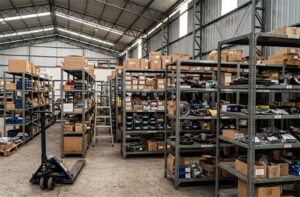
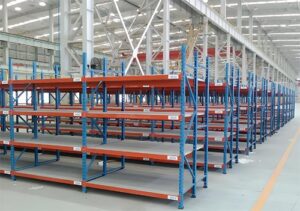
Heavy-duty racking is a critical load-bearing system in warehouses and logistics facilities, supporting large amounts of inventory every day. Many rack failures are not caused by poor-quality materials or a single major impact, but by damage and maintenance issues that remain unnoticed for long periods.
Routine maintenance should go beyond surface cleaning and basic collision checks. Regular inspections should also identify hidden risks such as overloading, uneven loading, loose components, structural deformation, and floor settlement before they develop into serious safety problems.
2. Three Common Maintenance Mistakes
Mistake 1: Confusing Beam Capacity with Overall Rack Capacity
A common misunderstanding is that the load capacity of each beam level can simply be added together without considering the overall rack design.
For example, if a beam level is rated for 2 tons, the actual load on that level must not exceed 2 tons. At the same time, the complete rack system must also remain within its overall design capacity. Each level and the rack as a whole need to be considered when calculating safe storage loads.
Mistake 2: The Rack Is Not Overloaded, but the Load Is Poorly Distributed
Total weight is not the only factor that matters. Pallets should be positioned correctly and loads should be distributed as evenly as possible across the designed support points.
Long-term off-center or uneven loading can create localized stress on beams and connections, potentially causing deformation or damage over time. These problems may be difficult to notice during a quick visual inspection.
Mistake 3: Ignoring Vibration, Loose Components and Floor Settlement
Frequent forklift traffic and continuous vibration can gradually loosen bolts, safety pins, or other rack components. Older or damp warehouse environments may also increase the risk of corrosion.
Uneven floor settlement can cause uprights to become misaligned and place additional stress on the racking structure. These conditions should be identified during regular inspections, even when there is no obvious external damage.
3. When Should Damaged Rack Components Be Replaced?
As a general safety principle, visibly deformed or structurally damaged components should not be put back into service without proper assessment.
If a beam shows permanent bending, an upright is significantly tilted, a connection is damaged, or a safety component is missing, the affected rack area should be taken out of service and inspected. Damaged components should be repaired or replaced according to the applicable rack design requirements and professional assessment.
Steel components that have undergone significant plastic deformation should not simply be straightened and returned to service without evaluating their structural condition.
4. Frequently Asked Questions (FAQ)
Q1: My rack beams are slightly bent. Can I still use them after straightening them?
Do not continue using a visibly deformed beam simply because it has been straightened. Permanent deformation can affect its structural performance. The affected beam should be assessed and replaced if it no longer meets the required specifications.
Q2: What are the most common causes of warehouse rack problems?
Common causes include improper loading, uneven load distribution, forklift impacts, loose components, corrosion, and inadequate inspection. Problems that remain unnoticed for long periods can gradually affect the structural condition of the racking system.
Q3: How do I distinguish between single-level load capacity and overall rack capacity?
The load capacity of a beam level refers to the maximum load that level is designed to support. The complete racking system also has an overall design capacity. Safe operation requires both the individual level loads and the total rack load to remain within their specified limits.
Q4: How should pallets be positioned to avoid uneven loading?
Pallets should be positioned centrally and supported evenly by the rack’s designed load-bearing members. Avoid excessive overhang, off-center placement, or situations where part of the pallet is unsupported. Always follow the pallet positioning and clearance requirements specified for the particular racking system.
Q5: How often should warehouse racking be inspected? What should I check?
A regular visual inspection should be conducted according to the warehouse’s operating conditions and applicable safety requirements, with more frequent checks in high-traffic environments.
Key inspection points include:
- Beam bending or visible deformation
- Upright damage or misalignment
- Missing or loose safety pins and bolts
- Damaged or misaligned beam connections
- Rust, cracked welds, or other visible structural damage
- Signs of floor settlement or cracking
Q6: If a forklift hits a rack but there is no obvious deformation, can it still be used?
Do not assume the rack is safe simply because no visible deformation is present. Forklift impacts can damage uprights, connections, or other structural components.
The affected area should be marked and inspected before normal use resumes. If structural damage is identified, the damaged components should be repaired or replaced as required.
Q7: Can floor settlement affect warehouse racking?
Yes. Uneven floor settlement can cause uprights to become misaligned and create uneven loading within the racking system.
If significant settlement or floor cracking is identified, the affected area should be assessed before continuing heavy-duty storage. Depending on the severity, the rack base, floor, or both may require corrective work.
Conclusion
Effective warehouse rack maintenance is not just about keeping the equipment clean. It means identifying structural damage, loading problems, loose components, forklift impacts, and environmental risks before they become serious safety issues.
Regular inspections and timely replacement of damaged components can help extend rack service life, protect inventory, and maintain a safer warehouse environment.