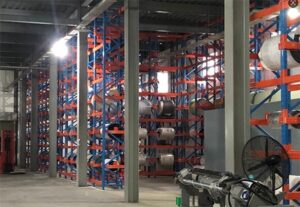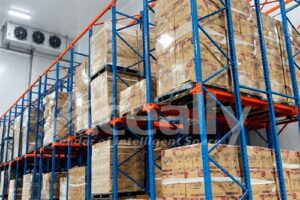
Warehouse racking systems are designed for heavy-duty storage, but even high-quality pallet racks require regular inspections to maintain safety and performance.
A proper warehouse rack inspection helps identify structural damage, prevent potential failures, and extend the service life of your storage system.

Quick Answer: Why Warehouse Rack Inspection Matters
Regular warehouse rack inspections help detect damaged components, overloaded storage conditions, and installation issues before they become serious safety risks.
A complete inspection should include checking upright frames, beams, connectors, anchors, decking, and load capacity information.
- Identify forklift impact damage early
- Prevent pallet rack collapse risks
- Maintain safe warehouse operations
- Extend pallet racking service life
- Reduce unexpected repair and replacement costs
Why Warehouse Rack Inspection Is Important
Warehouse racks support thousands of kilograms of stored goods every day.
Although pallet racking systems are manufactured with high-strength steel components, daily operations such as forklift movement, loading activities, and environmental conditions can gradually affect rack performance.
Small problems such as a bent upright, loose connector, or damaged safety pin may reduce the overall stability of the storage system if they are ignored for a long time.
1. Improve Warehouse Safety
Regular inspections help warehouse managers identify unsafe rack conditions before accidents occur.
2. Reduce Maintenance Costs
Early detection of minor damage can prevent expensive rack replacement or warehouse downtime.
3. Protect Stored Goods
A stable rack system reduces the risk of product damage caused by rack failure.
How Often Should Warehouse Racks Be Inspected?
The inspection frequency depends on warehouse activity, rack usage intensity, and operating environment.
High-volume warehouses with frequent forklift traffic should perform inspections more frequently.
| Inspection Type | Recommended Frequency | Main Inspection Items |
|---|---|---|
| Daily Visual Check | Every working day | Visible damage, misplaced pallets, obvious deformation |
| Routine Internal Inspection | Weekly or monthly | Frames, beams, connectors, anchors, safety components |
| Professional Rack Inspection | At least annually or when damage occurs | Detailed structural assessment and safety evaluation |
Complete Warehouse Rack Inspection Checklist
A complete warehouse rack inspection should cover all major structural components and safety-related accessories.
The following checklist helps warehouse managers identify common problems that may affect pallet rack stability and load-bearing performance.
| Inspection Area | What To Check | Warning Signs |
|---|---|---|
| Upright Frames | Vertical columns, horizontal braces, diagonal braces, and frame alignment | Bent uprights, cracks, twisted frames, or visible deformation |
| Rack Beams | Beam straightness, beam level position, and load condition | Bent beams, excessive deflection, damaged beam ends |
| Beam Connectors | Connection points, locking pins, and engagement between beams and frames | Missing safety pins, loose connections, damaged connectors |
| Anchoring System | Anchor bolts, floor fixing points, and rack stability | Loose anchors, missing bolts, damaged warehouse floor |
| Wire Decking & Accessories | Wire mesh decking, pallet supports, row spacers, and protectors | Broken wires, missing accessories, overloaded decking |
| Load Capacity Labels | Rack load signs and maximum allowable pallet weight | Missing labels, unclear capacity information, overloaded levels |
1. Inspect Warehouse Rack Upright Frames
Warehouse rack upright frames are the primary vertical load-bearing components of pallet racking systems.
Any damage to upright columns can significantly reduce rack stability and should be inspected carefully.
Inspection Points:
- Check upright columns for bending or twisting
- Inspect horizontal and diagonal braces
- Confirm rack frames remain vertically aligned
- Look for cracks, dents, or impact marks
Forklift collisions are one of the most common causes of pallet rack upright damage.
Even small deformations should be evaluated because damaged frames may affect the overall structural capacity of the rack system.
2. Check Pallet Rack Beams and Connectors
Pallet rack beams support stored loads and transfer weight to the upright frames.
During inspection, both beam condition and connection security should be checked.
Key Checks:
- Check for permanent beam bending
- Inspect beam end connectors
- Verify safety locking pins are installed
- Confirm beams are correctly positioned
A slightly damaged beam connector may reduce the connection strength between the beam and upright frame.
Replacing damaged components promptly helps maintain warehouse rack safety.
3. Verify Rack Load Capacity Labels
Every warehouse racking system should have clear load capacity information.
Operators need to understand the maximum allowable weight for each beam level and rack bay.
- Check if load capacity signs are visible
- Confirm stored goods do not exceed rated capacity
- Ensure pallet weight is suitable for rack design
- Replace damaged or missing labels
4. Inspect Rack Anchors and Floor Fixing
Rack anchoring systems provide stability by securing pallet racks to the warehouse floor.
A properly installed anchoring system helps prevent rack movement caused by loading activities, forklift impact, or uneven conditions.
Inspection Points:
- Check anchor bolts for looseness or damage
- Confirm all required anchors are installed
- Inspect floor cracks around rack bases
- Verify rack frames remain securely fixed
Loose or missing anchors may affect the stability of the entire racking structure.
If anchor damage is found, the affected rack section should be inspected before continuing normal warehouse operations.
5. Check Wire Decking and Rack Accessories
Warehouse rack accessories such as wire mesh decking, pallet supports, row spacers, and column protectors play an important role in safe storage operations.
Damaged accessories may reduce load support performance and increase operational risks.
| Component | Inspection Focus | Common Problems |
|---|---|---|
| Wire Mesh Decking | Surface condition and load support ability | Broken wires, deformation, corrosion |
| Pallet Supports | Position, connection security, and load support condition | Loose supports, missing parts, deformation |
| Row Spacers | Connection between back-to-back rack rows | Loose bolts, damaged connections, misalignment |
| Column Protectors | Impact protection condition around rack uprights | Broken protectors, displacement, impact damage |
Regular inspection of warehouse rack accessories helps maintain proper load distribution and prevents minor component failures from affecting the entire storage system.
Common Warehouse Rack Damage and Safety Risks
Most warehouse rack problems develop gradually due to daily operation, improper loading, or accidental impacts.
Understanding common damage types allows warehouse managers to take corrective action before safety issues occur.
Forklift Impact Damage
Forklift collisions are one of the most common causes of pallet rack damage.
During loading and unloading operations, even low-speed impacts can bend upright frames, damage braces, or loosen rack connections.
Warehouse rack systems should always be installed according to the original engineering design and manufacturer recommendations.
Corrosion and Environmental Damage
Warehouse environments can affect rack durability, especially in areas with high humidity, temperature changes, or chemical exposure.
Regular inspection helps identify corrosion before it impacts structural strength.
| Environment | Potential Issues | Recommended Action |
|---|---|---|
| Cold Storage Areas | Moisture and corrosion risks | Regular corrosion inspection |
| Outdoor Storage | Weather exposure and coating damage | Use suitable protective finishes |
| Chemical Storage Areas | Accelerated material degradation | Select corrosion-resistant materials |
Warehouse Rack Inspection Standards and Regulations
Different regions may follow different warehouse rack safety standards. Professional inspections should consider local requirements, rack design specifications, and manufacturer recommendations.
RMI Rack Safety Standards
The Rack Manufacturers Institute (RMI) provides guidance for the design, use, and safety management of industrial steel storage racks in North America.
FEM Standards
European warehouse operators often refer to FEM recommendations for the design and safe use of storage equipment.
AS4084 Standards
Australia and some related markets use AS4084 requirements for steel storage racking systems.
What To Do If Your Warehouse Rack Is Damaged?
When rack damage is discovered during inspection, immediate action should be taken to prevent further safety risks.
- Stop using the affected rack section if serious damage is found.
- Remove stored goods only when it can be done safely.
- Mark damaged areas and prevent access.
- Inspect damaged components before returning the rack to service.
- Replace damaged parts according to engineering requirements.
Inspection vs Rack Replacement: When Should You Replace a Rack?
Not every damaged rack requires complete replacement. In many cases, individual components such as beams, braces, or upright frames can be replaced.
However, severe structural damage may require removing the entire rack section.
Rack Replacement May Be Required When:
- Upright frames have severe deformation
- Load-bearing components are permanently damaged
- Corrosion affects structural strength
- Rack safety cannot be confirmed after repair
How to Maintain Warehouse Racks After Inspection?
Regular maintenance helps warehouse racking systems remain safe and reliable throughout their service life.
- Train forklift operators to reduce rack impact damage
- Keep rack load labels visible and updated
- Replace damaged components promptly
- Maintain regular inspection records
- Use suitable rack protection accessories
Conclusion
A complete warehouse rack inspection checklist helps identify potential safety issues before they affect warehouse operations.
By regularly checking rack frames, beams, connectors, anchors, and accessories, businesses can improve workplace safety and extend the service life of their pallet racking systems.
Choosing a reliable warehouse rack manufacturer and following proper inspection practices are essential for building a safe and efficient storage environment.
Need Professional Warehouse Rack Solutions?
Our engineering team provides customized pallet racking solutions for warehouses, logistics centers, and industrial facilities worldwide.