
In the Nigerian logistics industry, efficiency, safety, and durability are paramount when selecting pallets. Steel pallets have emerged as a preferred solution due to their strength, cost-effectiveness, and long-term reliability. This comprehensive guide helps logistics companies choose the right steel pallets, optimize warehouse operations, and improve workflow efficiency.
Product Specifications and Design
Our steel pallets are designed with a standard size of 1200 × 1000 × 150 mm, a practical footprint compatible with most logistics goods, trucks, and warehouse layouts. A single container can hold 470 pallets, allowing businesses to maintain sufficient stock without frequent orders.
Material and Construction
Constructed from high-quality Q235 steel with an anti-corrosion coating, these pallets resist deformation and rust even under harsh operational conditions. The reinforced structure ensures they withstand heavy loads, reducing the risk of breakage during storage or transport.
Durability and Longevity
Compared with wooden pallets, steel pallets offer superior lifespan, can be reused hundreds of times, and require minimal maintenance. Their robustness minimizes replacement costs and improves return on investment over time.
Load Capacity
Steel pallets are engineered to support multiple load scenarios, ensuring safe handling across warehouse and transport operations.
Dynamic Load
1.5 Ton – ideal for moving pallets during handling or transit. Supports stability and reduces risk of product damage.
Static Load
3 Ton – suitable for stationary storage, ensuring goods remain stable on the warehouse floor or stacked vertically.
Rack Load
1 Ton – compatible with standard warehouse racking systems, allowing efficient vertical storage while maintaining safety.
Applications and Operational Benefits
Steel pallets are versatile and can be deployed across a range of logistics applications:
Warehouse Storage
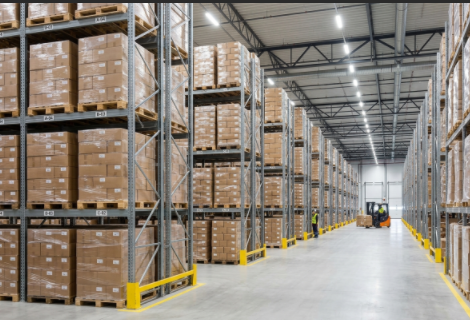
Suitable for bulk storage, high-density shelving, and organized warehouse layouts. Standardized dimensions allow seamless integration with existing racking systems.
Transportation and Distribution
Designed for truck, container, and intermodal transport, steel pallets maintain structural integrity during loading, unloading, and long-distance transit.
Export Logistics
Durable steel construction ensures compliance with export safety standards and reduces the risk of damage during international shipping.
Steel vs Wooden Pallets: Key Comparisons
Choosing between steel and wood requires considering durability, cost, hygiene, and operational efficiency:
Durability
Steel pallets outlast wooden pallets by years, resisting moisture, pests, and breakage. Wooden pallets may warp, crack, or require frequent replacement.
Maintenance and Hygiene
Steel pallets are easier to clean and sanitize, critical for food, pharmaceutical, or sensitive cargo. Wood may absorb liquids and harbor bacteria.
Cost Considerations
Although steel pallets have higher upfront costs, lower maintenance and replacement frequency result in long-term savings. Wood pallets are cheaper initially but have higher lifetime costs.
Handling and Safety Tips
Optimizing pallet handling improves safety and efficiency:
Forklift Operation
Ensure forklifts lift pallets correctly from openings on all sides to prevent tipping or product damage.
Stacking Guidelines
Avoid exceeding recommended stack heights; use rack-compatible loads to prevent collapse or accidents.
Inspection and Maintenance
Regularly check for deformation, rust, or surface damage. Maintain pallets in proper storage to extend lifespan and ensure worker safety.
Industry Standards and Certifications
Our steel pallets meet ISO and CE standards, guaranteeing quality, load-bearing capacity, and safety compliance. Using certified pallets reduces operational risks and ensures adherence to international logistics practices.
FAQ: Common Questions
1. Can these steel pallets handle heavy machinery parts?
Yes, with a static load capacity of 3 tons, they are suitable for heavy goods, including machinery components, provided weight is evenly distributed.
2. Are steel pallets suitable for outdoor storage?
Yes, anti-corrosion coatings protect against moisture and humidity, making them suitable for outdoor or semi-covered storage.
3. How do steel pallets improve warehouse workflow?
Standardized sizes, forklift compatibility, and durability reduce handling time, minimize accidents, and allow efficient stacking, optimizing warehouse operations.
Conclusion
For Nigerian logistics companies seeking reliable, durable, and cost-effective pallets, steel pallets provide a long-term solution. They enhance warehouse efficiency, reduce operational risks, and support safe transportation of goods. Contact us today to learn more about our steel pallets and optimize your logistics workflow.
Post time: Apr-17-2026