
Sheet metal is a critical raw material in fabrication, manufacturing, and industrial warehousing. However, improper storage often leads to bending, surface scratches, corrosion, and even workplace injuries. Simply stacking sheets on the floor or pallets may seem convenient, but it increases material waste and slows down daily operations.
Proper sheet metal storage is essential not only for protecting material quality but also for improving safety, efficiency, and workflow organization. Using the right storage method helps ensure that sheets remain flat, accessible, and ready for production.
Common Sheet Metal Storage Challenges
Storing sheet metal presents several practical challenges in workshops and warehouses:
- Multiple sheet sizes, thicknesses, and materials stored together
- Limited floor space near cutting or fabrication areas
- Risk of deformation caused by uneven support or excessive stacking
- High injury risk due to sharp edges and heavy manual handling
- Poor visibility, leading to slow retrieval and inventory errors
Without a dedicated storage system, these issues often compound over time, affecting both productivity and safety.
Key Principles for Safe Sheet Metal Storage
To store sheet metal safely and efficiently, several core principles should always be followed:
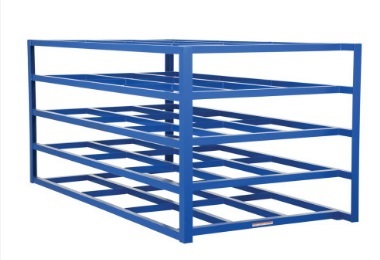
- Provide uniform support to prevent bending and warping
- Avoid direct metal-to-metal contact to reduce scratches and surface damage
- Allow controlled access so individual sheets can be removed without disturbing others
- Ensure load stability to prevent slipping or accidental collapse
- Follow basic safety and load capacity guidelines in all storage areas
Storage systems designed specifically for sheet metal are built around these principles.
Best Ways to Store Sheet Metal
Drawer-Type Sheet Metal Storage Racks
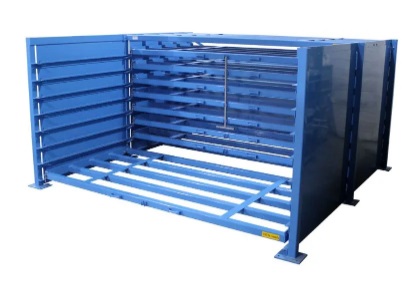
Drawer-type storage racks are widely considered the safest and most efficient solution for sheet metal storage. Each sheet rests on a fully supported drawer, allowing operators to pull out one layer at a time.
This design minimizes deformation, prevents surface damage, and significantly reduces handling risks. Drawer systems are ideal for high-value materials, mixed sheet sizes, and environments with frequent access requirements.
Vertical Sheet Metal Storage Racks
Vertical storage racks store sheets upright, making them easy to identify and retrieve. This method is particularly useful in workshops with limited floor space or where quick manual access is required.
While vertical storage improves space utilization and visibility, proper restraints and guides are essential to prevent sheets from sliding or tipping during handling.
Cantilever Racks for Large Sheet Metal
Cantilever racks are commonly used for oversized or heavy sheet metal that requires forklift handling. The open-arm design enables the safe loading and unloading of large sheets while maintaining structural stability.
This solution is well-suited for warehouses handling large-format steel, aluminum, or stainless steel sheets.
Sheet Metal Storage Methods vs. Risk Comparison
| Storage Method | Damage Risk | Safety Level | Space Efficiency | Typical Issues |
|---|---|---|---|---|
| Floor Stacking | High | Low | Low | Warping, scratches, and difficult access |
| Pallet Stacking | Medium–High | Medium | Medium | Uneven support, handling risks |
| Vertical Leaning Storage | Medium | Medium | High | Sheet slipping, edge deformation |
| Drawer-Type Sheet Metal Rack | Low | High | High | Higher initial investment |
| Cantilever Rack for Sheet Metal | Low | High | Medium–High | Requires forklift access |
This comparison clearly shows that general storage methods introduce higher risks to both materials and operators, while dedicated sheet metal storage racks provide superior protection, safety, and efficiency.
Choosing the Right Sheet Metal Storage Rack
Selecting the right storage system depends on several operational factors:
- Sheet dimensions, weight, and material type
- Frequency of access and handling method
- Available floor space and ceiling height
- Manual handling versus forklift operation
Matching the storage solution to actual usage conditions helps maximize safety and long-term efficiency.
Safety Tips for Handling and Storing Sheet Metal
Even with proper storage racks, safe handling practices remain essential:
- Use protective gloves and appropriate lifting equipment
- Store sheets with separators or protective pads when necessary
- Clearly label materials by size, thickness, and type
- Keep storage areas clean and free of obstacles
These practices help reduce injuries and prevent accidental material damage.
Storage Efficiency and Workflow Optimization
Well-organized sheet metal storage improves more than safety—it directly impacts productivity. Dedicated storage racks reduce handling time, improve material flow from storage to production, and help maintain a clean, efficient workspace.
By placing storage systems close to cutting or fabrication areas, businesses can significantly streamline daily operations and reduce unnecessary movement.
Maintenance and Inspection of Sheet Metal Storage Systems
To ensure long-term performance, sheet metal storage racks should be inspected regularly. Load conditions, structural components, and protective surfaces should be checked to prevent wear-related failures.
Routine maintenance helps extend equipment life and ensures continued compliance with safety standards.
Conclusion: Investing in Proper Sheet Metal Storage
Storing sheet metal safely and efficiently requires more than temporary solutions like floor stacking or pallets. Dedicated sheet metal storage racks provide stable support, improved accessibility, and enhanced workplace safety.
By investing in purpose-built storage systems, workshops and warehouses can protect material quality, reduce operational risks, and achieve higher overall efficiency.
Post time: Dec-16-2025