
Installing pallet racking correctly is essential for warehouse safety, productivity, and long-term performance. Whether you are setting up a new warehouse or expanding an existing facility, proper installation ensures stability, maximizes storage capacity, and prevents avoidable accidents.
This guide walks you through the full installation process, explains how to anchor pallet racks, and answers common questions such as “Can I install my own pallet racking?” and “Do pallet racks need to be bolted to the floor?”
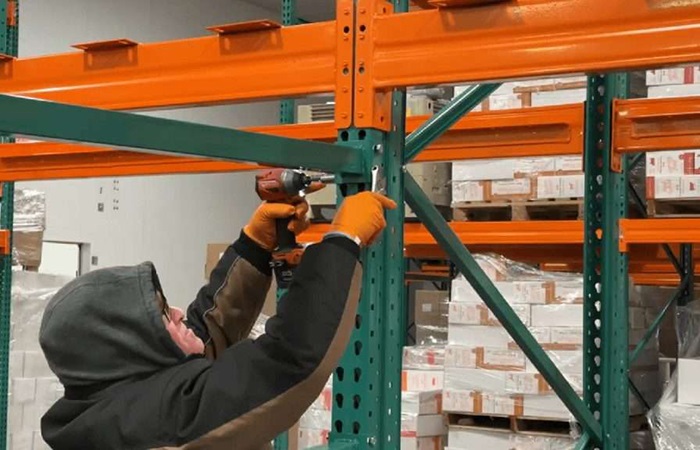
What to Prepare Before Installing Pallet Racks
Before starting installation, take time to plan carefully. Good preparation reduces mistakes and ensures your racking system meets both operational needs and safety standards.
Warehouse Layout Planning
-
Measure overall space, ceiling height, and column positions.
-
Plan aisle width based on forklift type (reach truck, counterbalance, VNA).
-
Confirm pallet size and loading direction.
Check Floor Conditions
-
Ensure the concrete floor is level and strong enough for racking loads.
-
Inspect for cracks or weak points that may affect anchoring.
Verify Rack Specifications
-
Confirm upright height, frame depth, and beam length.
-
Check load capacity per beam level and per bay.
-
Make sure all components meet a recognized standard such as RMI.
Tools and Equipment Needed
-
Tape measure
-
Chalk or marker
-
Level
-
Mallet or hammer
-
Impact drill
-
Safety gear (gloves, safety shoes, helmet)
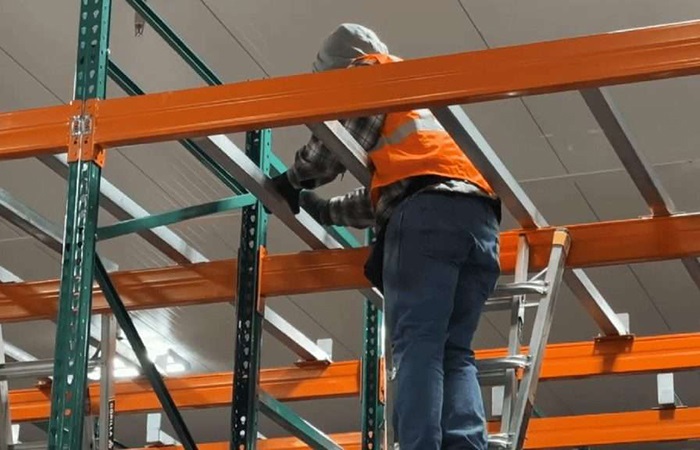
Step-by-Step Guide: How to Install Pallet Racking
Step 1: Mark Your Layout
Begin by marking the position of every upright on the floor.
Keep aisle width consistent and ensure enough clearance for forklifts and pallets.
Accurate marking is essential to maintain alignment throughout the installation.
Step 2: Assemble and Position Upright Frames
Place the first two uprights in their marked positions.
Use temporary bracing or a helper to keep the frames standing upright.
Check that both frames are vertical using a level.
Step 3: Install Beams
Attach the first pair of beams between the uprights at the bottom level.
Ensure the beam connectors fully engage with the upright slots.
Install safety locking pins to prevent accidental beam displacement.
Continue installing higher beam levels as required.
Step 4: Add Decking and Accessories
Once beams are installed and secured, place wire decking or pallet support bars onto each level.
Additional accessories such as row spacers, column protectors, and back stops can be added to increase stability and safety.
Step 5: Final Alignment Check
Make sure uprights are plumb, beams are level, and the rack footprint matches your layout plan.
Only proceed to anchoring after confirming all components are square and aligned.
How to Anchor Pallet Racks
Anchoring is one of the most critical installation steps. Proper anchoring ensures racks remain stable under load, during forklift impacts, and in seismic activity.
Why Anchoring Is Essential
-
Prevents tipping or shifting
-
Improves overall structural strength
-
Required by industry standards (RMI, OSHA)
Types of Anchors
-
Wedge anchors (most common)
-
Seismic anchors for high-risk seismic zones
Anchoring Procedure
-
Mark anchor hole locations through the upright baseplates.
-
Drill holes in the concrete using a hammer drill to the proper depth.
-
Clean dust from the holes for a better anchor grip.
-
Insert anchors and tighten them to the manufacturer’s torque specification.
Anchoring must be completed only after racks are fully leveled and aligned.
Do Pallet Racks Need to Be Bolted to the Floor?
Yes. Pallet racks must always be bolted to the floor.
This is not optional—it is a safety requirement.
Reasons They Must Be Bolted
-
Prevents racks from tipping during loading/unloading
-
Ensures stability when forklifts bump the uprights
-
Required by rack manufacturers and safety regulations
-
Essential for seismic stability in earthquake-prone regions
Unanchored racks are extremely dangerous and can collapse under load or forklift impact. Proper bolting is part of compliant installation.
Can I Install My Own Pallet Racking?
The short answer is: Yes, but only if you have the right skills and tools.
Some warehouse owners choose to install racks themselves, especially for smaller systems. However, pallet racking is a structural system, and mistakes can lead to serious safety hazards.
DIY Installation Is Possible If:
-
The system is small or simple
-
You have access to the proper tools
-
You understand load ratings and alignment requirements
-
You can follow manufacturer’s instructions carefully
When You Should Hire Professionals
-
Large-scale warehouse projects
-
Multi-level or high-rise racking
-
Seismic areas with strict regulations
-
When unsure about safety compliance
Professional installers ensure proper anchoring, alignment, load distribution, and safety certification, which helps prevent accidents and long-term issues.
Common Mistakes to Avoid
-
Not anchoring racks properly
-
Incorrect beam spacing or uneven alignment
-
Over-tightening bolts (causing damage)
-
Ignoring forklift clearance
-
Using non-certified accessories
-
Overloading beam levels beyond rated capacity
Avoiding these mistakes ensures long-term safety and structural integrity.
Safety Tips During Installation
-
Wear protective equipment
-
Ensure the floor is clean and dry
-
Keep aisles clear during installation
-
Double-check beam locks and safety pins
-
Inspect uprights for dents or deformation before use
-
Conduct a final safety review before loading pallets
Conclusion
Installing pallet racking is a straightforward process when proper planning and safety procedures are followed. Anchoring racks securely, ensuring correct alignment, and understanding load capacity are critical steps in achieving a safe and efficient warehouse storage system.
While DIY installation is possible, many businesses choose professional installation for guaranteed compliance and long-term reliability. Most importantly, pallet racks must always be bolted to the floor to maintain safety and structural stability.
Post time: Dec-09-2025