Selective Pallet Rack Storage System

Selective Pallet Rack Storage System
Aceally specializes in manufacturing heavy-duty pallet racking of various sizes and models, and you can buy heavy-duty pallet racking that suits your storage situation from us.
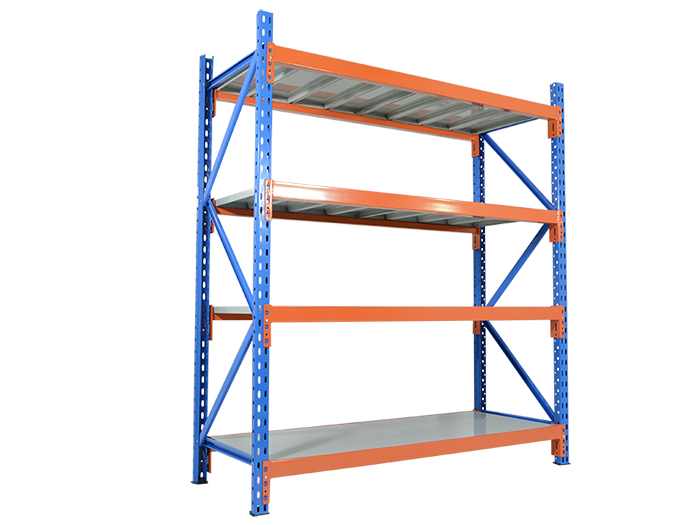
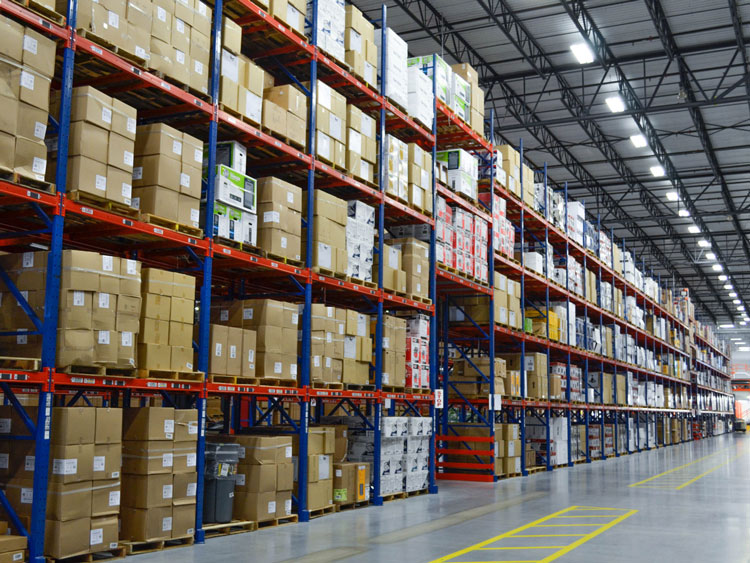
Selective pallet racking is a widely used warehouse storage system that provides direct access to individual pallets. Each pallet can be stored or retrieved independently, making it suitable for warehouses handling multiple product types, varying stock quantities, and frequent inventory movements.
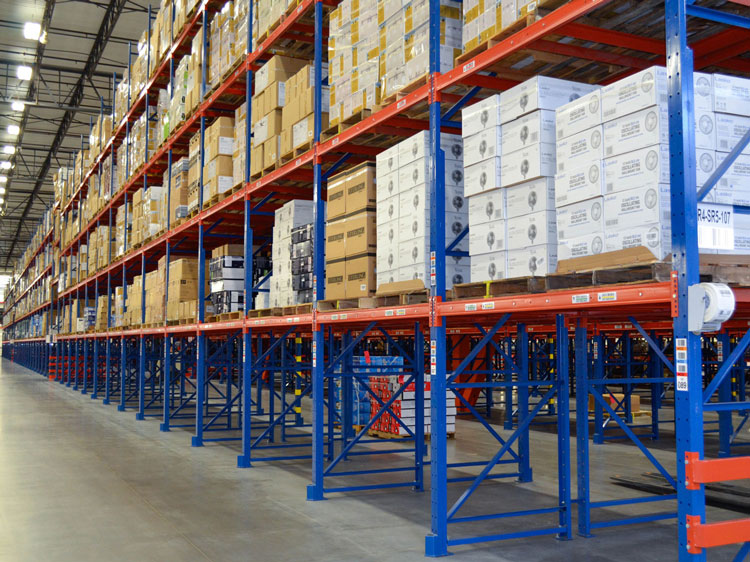
The system mainly consists of upright frames and horizontal beams that create individual pallet storage positions. Beam heights can be adjusted to accommodate different pallet sizes and load dimensions, subject to the rack design and specified load capacity. Rack rows and forklift aisles can be arranged according to the available floor space, storage requirements, and material handling equipment.
Selective pallet racks are commonly used in distribution centers, manufacturing facilities, wholesale warehouses, and other storage environments where convenient access to individual pallet loads is a priority.
Key Features of Selective Pallet Racking
- Direct Access to Individual Pallets: Each pallet position can be accessed without moving other pallets. This simplifies stock retrieval, replenishment, and inventory checks, especially in warehouses handling a wide range of SKUs.
- Adjustable Beam Levels: Beam positions can be changed to accommodate different pallet heights and storage requirements. Adjustments must remain within the rack’s specified design and load limits.
- Forklift-Compatible Storage: Forklifts can load and retrieve pallets directly from rack aisles. Aisle width and rack layout should be matched to the forklift type and required operating clearances.
- Flexible Warehouse Layout: Rack height, bay width, storage levels, and row arrangements can be planned around available floor space, pallet dimensions, and daily warehouse operations.
Components and Accessories
A selective pallet rack system uses upright frames and beams as its primary structural components. Additional accessories can be incorporated according to pallet conditions, handling methods, and site safety requirements.
- Upright Frames: Provide vertical support for the rack beams and stored pallet loads.
- Pallet Rack Beams: Connect the upright frames and support pallets at designated storage levels.
- Pallet Support Bars: Provide additional support beneath pallets when required by the pallet type and rack configuration.
- Upright Protectors: Help reduce damage to rack uprights caused by accidental forklift contact.
- Frame Guards and Barriers: Provide additional protection around rack frames and exposed areas subject to vehicle impact.
- Pallet Stops: Help control pallet positioning in suitable rack configurations.
The accessories required depend on the rack layout, pallet construction, handling equipment, and site conditions. They should be selected to suit the overall system design and intended operating environment.
How to Configure a Selective Pallet Rack System
The right rack configuration depends on more than the number of pallets a warehouse needs to store. Pallet dimensions, load requirements, building conditions, and handling equipment all affect the final design.
Pallet Dimensions and Load Weight: Pallet length, width, height, and total loaded weight influence beam selection, bay dimensions, and required load capacity. The rack should be designed around the actual pallet loads and their intended storage positions.
Storage Height and Levels: Available building height, ceiling clearance, sprinkler systems, lighting, and other overhead obstructions determine how the storage levels can be arranged. The layout should also allow sufficient clearance for safe pallet placement and retrieval.
Forklift Type and Aisle Width: Aisle width should match the forklift’s turning requirements and operating clearances. Narrower aisles can increase storage density, but the layout must still allow safe and efficient pallet handling.
Warehouse Layout and Workflow: Rack rows should provide suitable access for receiving, replenishment, order picking, and dispatch. The final arrangement should balance pallet capacity with the movement of goods and handling equipment.
Selective pallet racking is particularly suitable for warehouses that need frequent access to individual pallets across a wide range of products. The final layout should balance storage capacity, forklift access, and daily picking requirements to support efficient warehouse operations.